Hush-Tory by Make History Fun

PHILADELPHIA · DECLARING INDEPENDENCE · 1776

Hush in the Hall

Welcome to Indepen-Dance Hall.

SCENEIndepen-Dance Hall

Choose your scene
We the People Dance39 signers. One quiet dance floor.OPEN SCENE

More adventures are on the horizon.

5:000 / 56 signers
Quiet streak0:00
Best quiet streak0:00
THE HALL IS WAITING

Keep it calm. Make history.

Quiet, please. History is about to bust a move.
Every quiet moment brings another delegate to the dance floor.
Get too loud, and an unexpected guest might crash the party…
Stay calm to discover who makes the final entrance!

Audio is measured on this device. Never recorded or uploaded.
INDEPENDENCE HALL · 56 SIGNERS
Microphone off
Target: 30

THE MISSION Keep the room calm and watch history bust a move! Quiet work brings more delegates to the dance floor. Get too loud, and a surprise guest may send them scattering. Bring all 56 signers together before your session ends.

John Hancock presided over the Continental Congress and signed the Declaration.

Teacher controls

Unexpected noise

Announcement or hallway sound? Restore the streak from before the latest noise reset.

Restores the saved streak, removes any penalty from that interruption, and pauses the session. Press Resume when ready. Use Pause before planned announcements.

Selecting a work mode sets a starting noise target. You can fine-tune it below.

You can switch microphones during a session. Device names appear after allowing microphone access. Speak or clap and check the level meter before setting your quiet target.

These are relative noise levels, not decibels. Calibrate for your room. A 3-second grace period ignores short sounds; 2 calm seconds dismiss the King. Changing the goal before starting sets a fresh session.

King George sound effects

“Shh, Georgie is coming” announces his entrance. The independence line is for Group work's final strike only; the partnership line is for Partner work's final strike only. Individual work keeps its on-screen final message with the entrance cue. The timer and noise counting pause briefly during a voice effect so the speakers do not earn another strike.

Optional background sound

Background sound is off.

Keep playback low: sound from speakers can register on the room noise meter. Sounds stop when you end the session. Remembered choices never play automatically.

King George III · strike rule

Each King George III appearance counts as one strike. Three is the default—he is George the Third! Choose your own limit. At the limit, the game ends and asks students to return to their desks and work independently.

0 current strikes

Strikes reset with a new session. Removing a strike after the limit lets you resume from the report. The game stays paused until you press Resume.

Arrival cards highlight the colony each signer represented, rather than their birthplace. They fade after 9 seconds or update for the next signer. The map is adapted from Urban’s public-domain c. 1775 map; disputed boundaries are omitted. Signatures are historical facsimiles, including details from the 1823 William J. Stone engraving, courtesy of the National Archives. The ink wipe is a game animation, not a recording of how each person wrote. Some details retain neighboring pen strokes from the source.

National Archives signature source · Map and individual signature credits

56-signer expansion · historical likenesses & teacher notes

The full roster of 56 names and colony assignments follows the National Archives transcript of the Declaration. Dance routines and foreground entrances are playful game animations, not historical claims. This playful scene is not a reenactment. Hancock arrives last as a game reward; historically he signed first. The signers did not all sign on the same day. George III never appeared at the signing. The Declaration was adopted July 4, 1776; most signers signed August 2. Washington did not sign it and is not a delegate in this scene.

Standing figures are AI-assisted artistic reconstructions. All 56 now have individual image references. Nineteen generic figures were replaced with separately generated, reference-guided figures. References include later-life portraits, posthumous engravings and later depictions; a reference is not proof of an exact life likeness. John Penn uses a later depiction at Guilford Courthouse, not an authenticated life portrait. Each signer’s card identifies which applies. The original four figures use the portraits listed below. Faces, hair, and clothing aim to reflect the people in 1776; they are interpretations, not verified exact likenesses. The source portraits remain available as references.

  • John Hancock: John Singleton Copley, 1770.
  • Thomas Jefferson: Rembrandt Peale, 1800.
  • John Adams: Gilbert Stuart, c. 1800–1815.
  • Benjamin Franklin: Joseph Siffred Duplessis, 1778, Metropolitan Museum of Art.
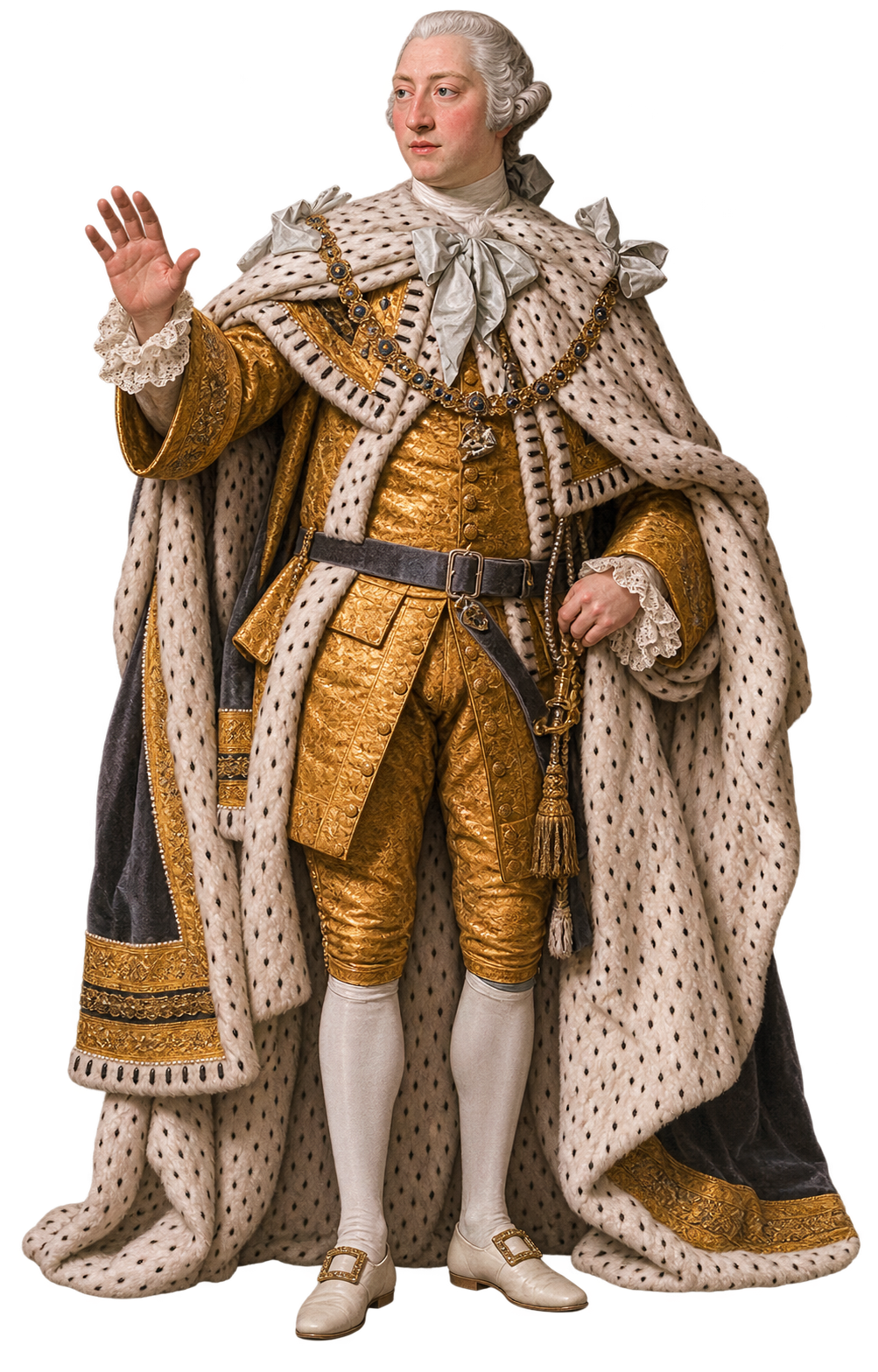
  • George III: Allan Ramsay, coronation portrait, 1760s.
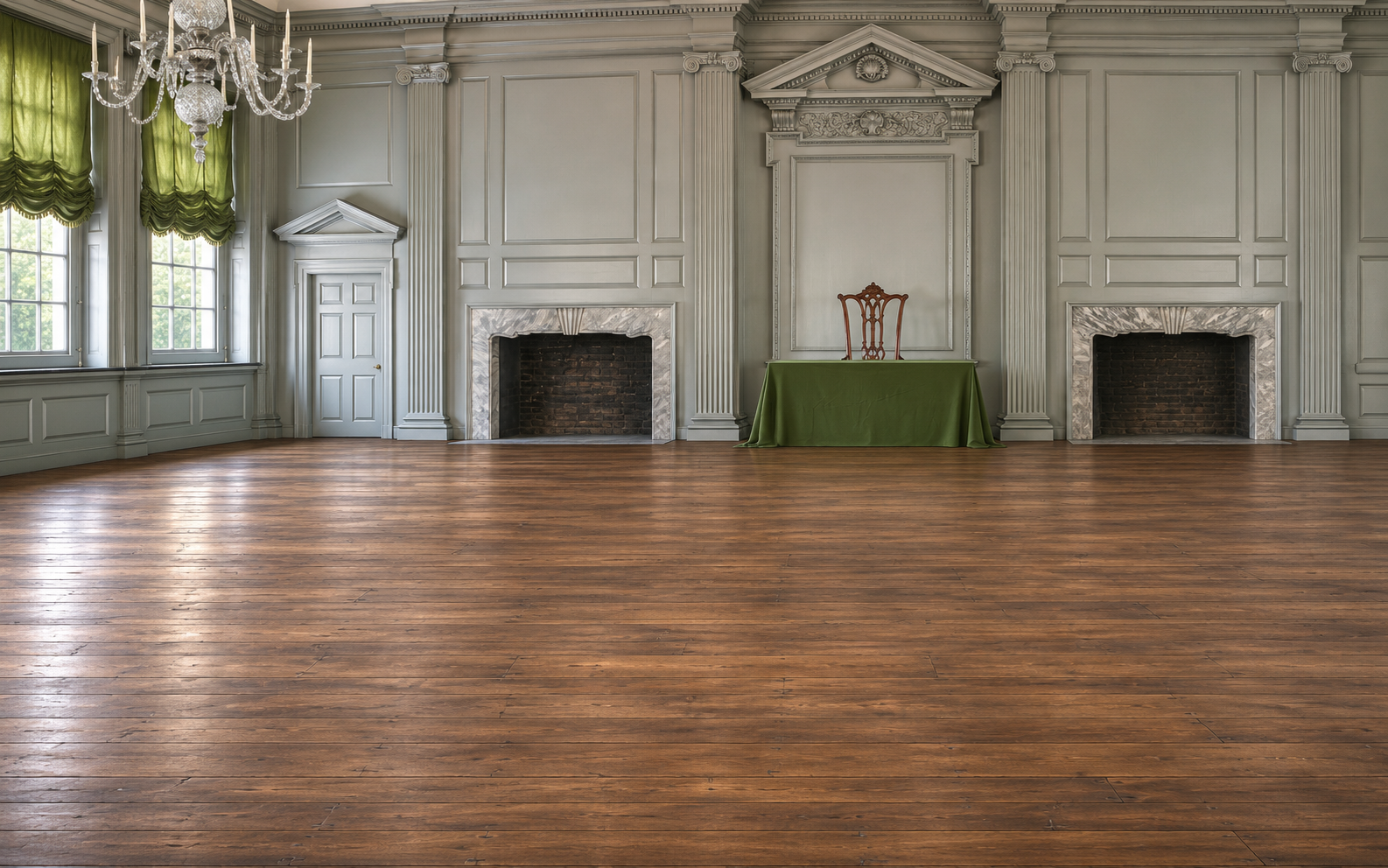
  • Room: AI-adapted game backdrop based on a National Park Service photograph of the restored Assembly Room. Foreground furnishings were cleared to give the standing figures floor space. The original photograph remains in the project references; the game room is not a documentary reconstruction.

National Archives: all 56 signers · National Archives: Declaration history · NPS: Assembly Room · Franklin portrait · George III portrait reference

Settings stay in this browser. Independence Hall uses separate settings from the Delaware scene.

CLASS SESSION REPORT

The Hall’s report

THE FULL ASSEMBLY · EXPANSION PACK

Meet the 56 signers

0 of 56 welcomed

56 of 56 signers

Figures are artistic reconstructions. Select a signer to see the reference status. Arrival order is part of the game.

DECLARATION OF INDEPENDENCE · SIGNER

View portrait reference & attribution ↗